Oil manipulation game by US will go nowhere: Iran’s Parliament Speaker
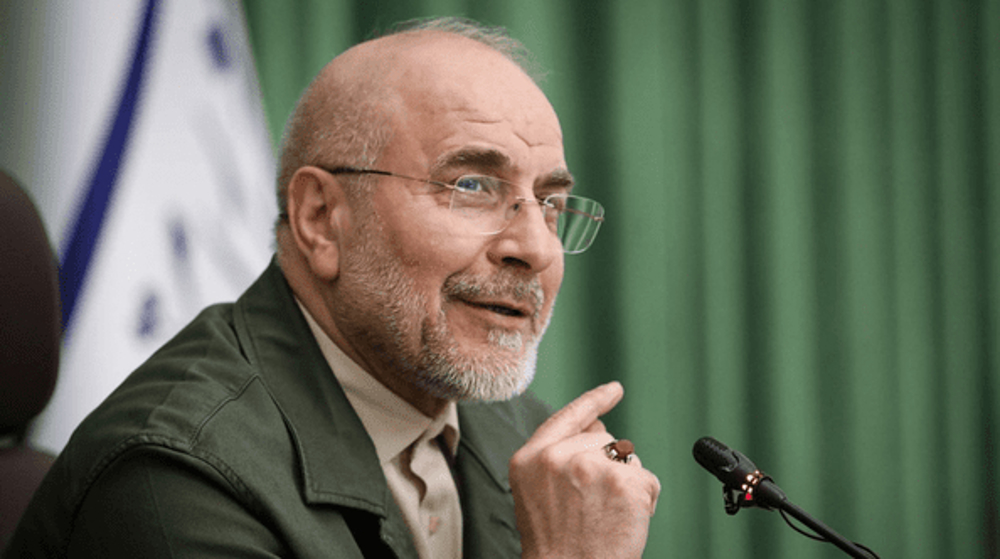
Iran has dismissed “futile” efforts by the United States to manipulate global oil prices, saying those techniques would fail to prevent an acute supply crunch caused by the US-Israeli aggression on Iran.
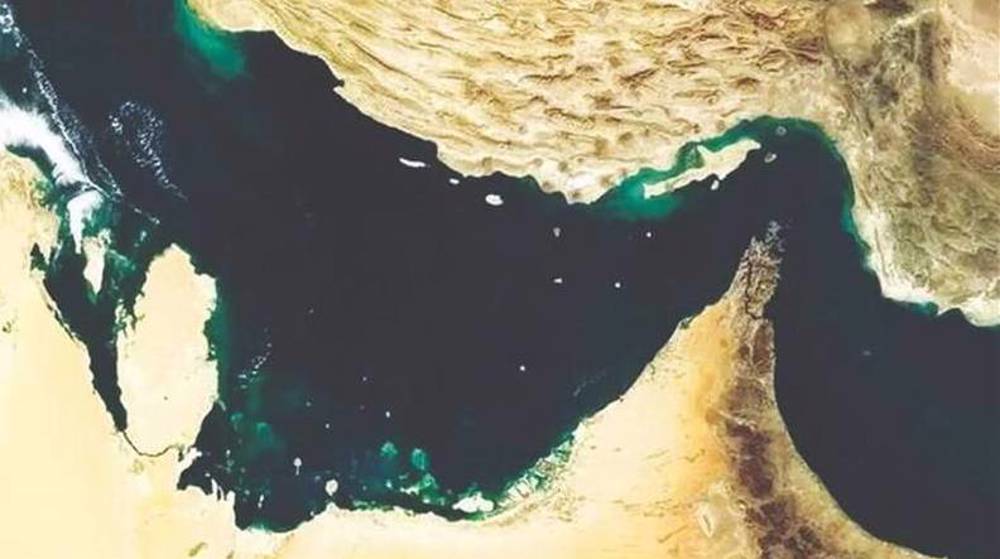
Parliament Speaker Mohammad Bagher Ghalibaf said on Tuesday that efforts in the so-called paper oil market will not prevent shocks caused by Iran’s control over a key oil transport route in the Persian Gulf.
“We are aware of what is happening in the paper oil market, including the firms hired to influence oil futures. We also see the broader jawboning campaign,” said Ghalibaf in a post on X.
He said those efforts would not translate into an actual decline in record fuel prices in the US and other parts of the world.
“But let’s see if they can turn that into ‘actual fuel’ at the pump — or maybe even print gas molecules!”
Iran has tightened its restrictions on transit via the Strait of Hormuz in the Persian Gulf, which is responsible for a fifth of the global oil demand.
IRGC Navy orders container ship to leave Strait of Hormuz for lacking permit https://t.co/OhnnscMKxR
— Press TV 🔻 (@PressTV) March 24, 2026
The move, which came in response to the February 28 US-Israeli aggression on Iran, caused global oil prices to reach nearly $120 per barrel by the weekend, almost double compared to before the aggression.
However, prices dropped by as much as 10% on March 23 after Donald Trump, the US president, withdrew from threatening to attack Iran’s electricity sector, a move that could cause a major escalation in the confrontation and lead to further rises in prices of energy and commodities in the world.
Experts believe Trump’s announcement to postpone his ultimatum on attacking Iranian power plants was aimed at controlling oil prices and preventing a major counterattack by Iran that could have targeted corresponding electricity sites in the Persian Gulf and in the Israeli-occupied territories.
IRGC chief: Blood of martyrs in US attack on wedding will not ‘go unanswered’
Iran's vice president warns of 'dark months' for US economy amid war

‘Polished-up barbarism’: Iran officials condemn US war crime of wedding bombing



Denmark deploys troops to Greenland as US mulls force to take Arctic territory
VIDEO | Israel targets Gaza fishermen in latest attacks on fishing sector
IRGC chief: Blood of martyrs in US attack on wedding will not ‘go unanswered’
Iran's vice president warns of 'dark months' for US economy amid war
Lawyers seek to drop US charges against Venezuelan leader on immunity grounds
Abducted Gaza doctor’s testimony exposes appalling abuse in Israeli prisons
‘Polished-up barbarism’: Iran officials condemn US war crime of wedding bombing
VIDEO | Press TV's news headlines



 PressTV NEWSLETTER
now
PressTV NEWSLETTER
now
 This makes it easy to access the Press TV website
